Business relocation in Custom House: commercial van services
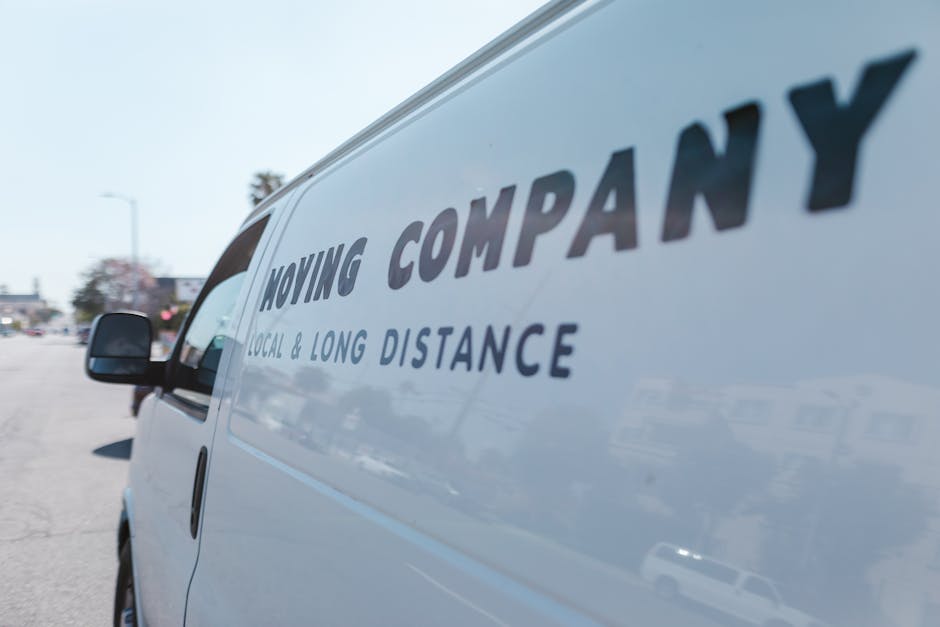
Moving a business is never just about boxes and a van. It is about keeping customers happy, protecting equipment, avoiding downtime, and making sure staff can get back to work without the whole place feeling upside down. If you are planning Business relocation in Custom House: commercial van services, you probably already know the tricky part is not the moving itself. It is the timing, access, parking, loading, packing, and all the little details that can quietly cause a headache if they are missed.
That is where a properly managed commercial van service earns its keep. In a busy part of East London like Custom House, with tight streets, mixed-use buildings, loading restrictions, and the usual London unpredictability, a relocation needs more than a vehicle. It needs a plan. This guide walks through how business relocation works, what commercial van services actually do, who they suit, and how to avoid the mistakes that turn a straightforward move into a messy one. Simple enough on paper. In real life? Not always.
Below, you will find practical advice, a comparison of common moving options, a step-by-step process, compliance points worth checking, and a checklist you can actually use. If you are moving an office, a studio, a retail space, or a small commercial unit, this should give you a clear way forward.
- Why it matters
- How it works
- Key benefits and practical advantages
- Who this is for and when it makes sense
- Step-by-step guidance
- Expert tips for better results
- Common mistakes to avoid
- Tools, resources and recommendations
- Law, compliance, standards, or best practice
- Options, methods, or comparison table
- Case study or real-world example
- Practical checklist
- Conclusion
- Frequently asked questions
Why Business relocation in Custom House: commercial van services Matters
Business moves are a different species from home removals. You are not just shifting furniture; you are moving equipment that may be sensitive, expensive, heavy, awkward, or essential to daily operations. A printer can be replaced. A day of lost trading, delayed client work, or broken kit? That is harder to shrug off.
In Custom House, the local setting adds another layer. The area sees a mix of residential streets, business premises, and routes that can become awkward at peak times. Access can be tight. Parking may be limited. Some buildings have awkward lifts, narrow entrances, or shared loading areas. You know the sort of thing: everything looks fine until a van arrives and suddenly a simple move feels like a puzzle.
That is why commercial van services matter. They help businesses keep the move controlled rather than chaotic. A good service is not just transport. It is logistics, risk reduction, and a bit of calm in the middle of a busy week. Truth be told, that calm is often what businesses are really paying for.
There is also a commercial side to this. If the move is handled well, staff can settle faster, stock is less likely to be damaged, and customers are less likely to notice disruption. And if they do notice, it is because the handover was smooth, not because the operation was in disarray.
For businesses that need a broader relocation plan, it can also help to review dedicated office relocation services alongside transport arrangements. That way, the move is planned as a process, not a last-minute scramble.
How Business relocation in Custom House: commercial van services Works
At a practical level, a commercial van service follows a simple pattern: assess the job, plan the route and access, pack or protect items where needed, load safely, transport the goods, then unload and place everything where it belongs. The simplicity is deceptive, though. The skill sits in the details.
Most commercial relocations start with a discussion about what is being moved, how much there is, whether anything is fragile or confidential, and what access looks like at both ends. A small studio with a few desks is one thing. A retail unit with shelving, stock, POS equipment, and archive boxes is another. The job size changes everything.
Commercial van services often work best when there is a clear inventory. Not a perfect spreadsheet if you do not have one. Just something sensible. A list of furniture, boxes, monitors, files, equipment, and any special items helps prevent both underestimating the van size and overcomplicating the move. If you have ever watched two people trying to angle a desk through a doorway that is just a bit too small, you will know why this matters.
On moving day, the team usually brings the right van size, protective equipment, trolleys, straps, blankets, and sometimes packing materials depending on the service. They load in a sequence that keeps fragile items secure and heavy items stable. Then they drive the route that best suits the local roads, traffic, and parking conditions. That sounds obvious. It is. But obvious things are often where moves go wrong.
If storage is needed between locations, or if the new premises are not ready yet, it can also be worth arranging something like removal services that are flexible enough to handle staged delivery. That is especially useful for businesses phasing the move over a few days.
Key Benefits and Practical Advantages
The obvious benefit is transport, but the real value runs deeper. A well-run commercial van service can reduce disruption, protect assets, and save staff from doing heavy lifting they were never really meant to do in the first place.
Key advantages include:
- Less downtime: A business move that is planned properly tends to get you back up and running faster.
- Better handling of equipment: Commercial vans are useful for office furniture, archive boxes, electronics, tools, and stock.
- Flexible timing: Many moves can be scheduled early, late, or outside your busiest trading hours.
- Local practicality: In and around Custom House, a van is often easier to park and manoeuvre than a larger lorry.
- Lower risk of injury: Fewer improvised lifts and less strain on staff.
- Cleaner coordination: One point of contact usually makes the day much easier to manage.
There is also a psychological benefit, if that is not too grand a phrase. A move feels manageable when the transport side is under control. Staff can focus on their own tasks instead of wondering where the desks, files, or display stands are. Customers notice that kind of order, even if they do not say it out loud.
For businesses handling awkward items, it helps to choose a team that already understands specialist lifting and protection. If your relocation includes bulky furniture or awkward fittings, services such as furniture pick up can be relevant as part of the wider plan.
Who This Is For and When It Makes Sense
Commercial van services are not just for large corporate offices. In fact, many of the most suitable users are smaller businesses that need speed, flexibility, and practical handling without the scale or cost of a full removal operation.
This service often makes sense for:
- Small offices moving within Custom House or nearby areas
- Retail shops shifting stock, shelving, tills, and display items
- Start-ups and freelancers moving from home-based work into a workspace
- Clinics, studios, and workshops with equipment that needs careful handling
- Landlords or property managers clearing commercial units between tenants
- Businesses with phased moves where everything is not moving on the same day
It also makes sense when you need a move that is nimble rather than massive. A van can be a better fit than a truck if access is tight, the load is moderate, or the relocation needs several quick runs. Let's face it, not every job needs a huge vehicle parked half across the street while everyone stares at it.
If your move is larger, or if you are combining transport with dismantling, packing, and setup, then a broader solution such as commercial moves may be more appropriate. The right choice depends on scope, not ego. That sounds blunt, but it saves money and stress.
Step-by-Step Guidance
Here is a practical way to manage a business relocation in Custom House without letting it sprawl into chaos.
1. Define what is moving
Start with a straightforward list: desks, chairs, computers, monitors, files, stock, samples, signage, packaging, tools, and any specialist equipment. If something has cables, glass, screens, or weight that makes you mutter under your breath, flag it early.
2. Check access at both properties
Measure doorways, stairwells, lifts, corridors, and loading points. Ask about parking, entry codes, booking windows, and any building rules. A move is far easier when nobody is discovering a locked gate at 8:15 a.m.
3. Decide what the van team will handle
Some businesses only need transport. Others need loading, unloading, and careful placement. Be clear on what is expected. If packing help is needed, note that too. If there are delicate items, say so plainly rather than assuming they will somehow announce themselves.
4. Choose the right schedule
Timing matters more than people think. Early morning can reduce disruption, but it may create access issues if the building opens later. Evening moves can work well for offices that cannot afford daytime downtime. Weekends sometimes help too, though traffic and staffing still need checking. There is no universal answer, annoyingly enough.
5. Prepare the items properly
Label boxes by department or room. Back up digital files. Remove loose parts from furniture. Empty drawers. Tape cables. Protect screens and fragile items. A few minutes of preparation can save a surprising amount of trouble.
6. Coordinate the handover
Someone should be responsible for the old site, and someone else for the new one. That sounds basic, but relocations get messy when everyone assumes someone else is in charge. Appoint one decision-maker if you can.
7. Check everything at delivery
Before the van team leaves, do a quick walk-through. Confirm that the key items have arrived, nothing is damaged, and nothing has been left behind. It takes minutes. It can save hours later.
Expert Tips for Better Results
There are a few small things that make a big difference, and they are often missed because they do not sound dramatic enough to mention.
First: keep the move list realistic. Overpacking a van is one of the fastest ways to create delays. It may feel efficient to "just squeeze a bit more in," but the extra time spent wrestling with awkward items is rarely worth it.
Second: protect floors and entry points if your premises are busy or newly fitted. Commercial spaces often have surfaces that are easy to mark: polished floors, walls, glass panels, reception areas. A small bit of care here goes a long way.
Third: use colour coding or room labels. Even a simple system like "Reception," "Sales," "Storage," and "IT" can make unloading much quicker. You will notice the difference immediately on the other end.
Fourth: keep key documents and devices with a nominated staff member rather than in general load piles. That includes contracts, passwords, chargers, and anything else you would rather not see vanish into the middle of a van like a sock in a washing machine.
Fifth: if your business has waste from the move, deal with it properly. Boxes, broken items, old fittings, and unwanted stock should not be left to clutter the site. If you need guidance on disposal and clearance, the information on recycling and sustainability can help shape cleaner moving habits.
A good rule of thumb: the better the prep, the calmer the day. Not perfect, just calmer. And calmer is underrated.
Common Mistakes to Avoid
Some move problems repeat again and again. They are so common that you almost want to print them on a sign and tape it to the office wall.
- Leaving packing until the last minute: It always takes longer than you think.
- Ignoring access restrictions: A van that cannot stop legally or safely is not much use.
- Underestimating the volume: Office items look smaller spread out than they do stacked in one place.
- Not labelling boxes: Unlabelled boxes create delays at the new site.
- Forgetting IT and charging needs: If the devices are not ready, staff are not ready either.
- Moving without a clear owner: Too many decision-makers slows everything down.
- Choosing price over suitability alone: Cheap can become expensive once delays and damage are added in.
There is also a quieter mistake: assuming that because a move is "only local," it will be simple. Local helps, sure. But local does not remove stairs, parking limits, or fragile equipment. That bit still needs thought.
Tools, Resources and Recommendations
You do not need a warehouse of specialist equipment to manage a decent business relocation, but a few tools and good habits make a noticeable difference.
Useful tools and materials:
- Strong boxes in a few practical sizes
- Packing tape and labels
- Bubble wrap, paper, or foam for fragile items
- Furniture blankets or covers
- Zip ties or cable ties for loose leads
- Trolleys or dollies for heavier office items
- Inventory sheets or a simple move checklist
For businesses that want help beyond transport, a van service that also supports packing can be worth considering. The page on packing and unpacking services is useful if you want to reduce pressure on staff and keep the move moving, if you see what I mean.
It is also worth looking at your own internal process. Who signs off the move? Who checks IT? Who updates suppliers and clients? Moving is not only a logistics problem. It is a communication problem too. A simple run sheet can stop people talking past each other all day.
And if you are comparing service types, it may help to review moving van options or broader removal van support depending on the scale and shape of your load.
Law, Compliance, Standards, or Best Practice
Commercial relocations are not usually the place for legal drama, but a bit of care with compliance avoids unnecessary problems. In the UK, businesses are generally expected to manage moving activity safely, keep walkways clear, and make sure manual handling is reasonable for the people involved. That is especially relevant if staff are helping with boxes or equipment.
Best practice usually includes sensible risk awareness. For example: if items are heavy or awkward, use proper lifting methods and mechanical aids where possible. If the premises are shared, check building rules about loading bays, lifts, and access times. If vehicles are entering restricted areas, confirm whether any permits or local restrictions apply. In a busy urban area, those details matter more than people expect.
Insurance is another point worth checking. A reputable commercial moving service should be able to explain how items are handled and what cover is in place. You do not need to become an insurance expert overnight, but you should know what is and is not protected. If you are unsure, ask before moving day rather than after. Much more pleasant that way.
For additional reassurance, it can help to review the business's own insurance and safety information, especially if your relocation includes high-value equipment or sensitive stock. If there is a complaint or issue after the move, knowing the process ahead of time is useful too, so the complaints procedure is worth understanding before you need it.
In short, aim for a move that is safe, documented, and clear. That is the standard to work toward, even if every relocation throws up one or two surprises along the way.
Options, Methods, or Comparison Table
Business relocation can be handled in a few different ways. The right option depends on budget, urgency, item type, and how much of the work you want to outsource.
| Option | Best for | Strengths | Limitations |
|---|---|---|---|
| Commercial van service | Small to medium business moves, local relocations, flexible schedules | Agile, practical, usually easier for tight access, good for moderate loads | May require multiple trips for larger moves |
| Full removal service | Larger offices, complex moves, packed premises | More hands, broader support, often better for larger volumes | Can be more expensive and less nimble in tight streets |
| Self-managed move | Very small loads, ultra-tight budgets, simple jobs | Lowest direct cost if you already have staff and vehicles | Higher risk of delays, injuries, and damaged items |
| Hybrid approach | Businesses that want some help but not a full package | Flexible, cost-conscious, can be tailored to the move | Needs clearer coordination and role division |
If you are unsure which route fits, a quick way to decide is to ask three questions: how much needs moving, how fragile is it, and how quickly do we need to reopen? If the answer to any of those is "quite a lot," "fairly fragile," or "very quickly," then professional support starts to make a lot of sense.
Case Study or Real-World Example
Here is a realistic example. A small design studio in Custom House needs to move from a shared workspace into a larger unit nearby. The team has six desks, ten office chairs, monitors, sample boards, archived files, and a few fragile presentation pieces. Nothing wildly oversized, but enough to make the move awkward if handled casually.
Instead of trying to do everything in one frantic evening, they split the job into stages. First, they label the items by department and pack the fragile materials separately. Then they check access at the new site and discover the lift is smaller than they expected. Annoying, yes, but useful to know before the move day itself.
They book a commercial van service that can handle loading, transport, and unloading in the same morning. The van arrives early, before the streets become busier, and the team loads in the right order: fragile items first for protection, then desks and chairs, then boxes by room label. The move takes longer than the optimistic estimate the owner made in the tea break, but not by much.
At the new site, the items are placed where they belong, and the team gets back to work the same day. A couple of small issues come up - one cable box turns up under a stack of files, naturally - but the move remains controlled because the process was organised in advance.
The lesson is simple. Small and medium business moves go well when the plan is practical, not perfect. That is usually the sweet spot.
Practical Checklist
Use this before moving day. It is not glamorous, but it helps.
- List every item that must be moved
- Confirm the new address, access point, and contact person
- Check parking, loading, and building access rules
- Decide whether packing support is needed
- Label boxes and equipment by room or department
- Back up important files and secure digital devices
- Remove loose parts, cables, and drawers where possible
- Protect fragile items with suitable wrapping
- Keep essential documents and chargers separate
- Confirm the schedule and estimated arrival window
- Plan who will receive the van at both ends
- Walk through the site before the van leaves
Quick reminder: if the move involves old furniture, packaging, or unwanted stock, sort disposal early rather than after the fact. It keeps the site cleaner and the move less cluttered.
Get a free quote today and see how much you can save.
Conclusion
Business relocation in Custom House does not need to become a stressful story everyone retells for months. With the right commercial van service, a sensible plan, and a bit of local awareness, the process can be tidy, efficient, and far less disruptive than people fear at the start.
The main things to remember are straightforward: know what is moving, check the access, protect the items, and choose a service that fits the actual job rather than the imagined one. A smaller commercial van can be a perfect fit for many Custom House relocations, especially where timing, parking, and flexibility matter. And if the move is more involved, there are broader support options that can be layered in without overcomplicating everything.
Take it step by step. Keep communication clear. Do the small things well. That is usually what turns a difficult move into a decent one. And honestly, a decent move is a pretty good result.
When the dust settles and the last box is in place, what matters most is that the business can carry on. Quietly, steadily, and with a little less drama than expected.
Frequently Asked Questions
What does business relocation in Custom House usually include?
It usually includes moving office furniture, equipment, stock, documents, and other business items from one premises to another. Depending on the service, it may also include packing, loading, transport, and unloading.
Why choose a commercial van service instead of doing the move yourself?
A commercial van service is often safer, faster, and more efficient. It reduces the strain on your staff, helps protect your items, and makes it easier to manage access, loading, and timing in a busy area like Custom House.
Is a commercial van suitable for a small office move?
Yes, very often. For small to medium office moves, a van is usually the most practical option because it is easier to park, more flexible on local roads, and better suited to moderate loads than a larger lorry.
How do I know what size van I need?
The best approach is to list what is being moved and consider bulky items, fragile equipment, and the number of boxes. If you are unsure, share the details with the mover so they can recommend a suitable vehicle size.
Can business relocation be done outside working hours?
Often, yes. Early mornings, evenings, and weekends are common choices because they reduce disruption. The best timing depends on your building access, staffing, and how quickly you need to reopen.
What should I pack separately for a business move?
Keep critical documents, chargers, passwords, IT accessories, and essential devices separate where possible. These items are often needed immediately after arrival and should not disappear into the general load.
How can I avoid damage during the move?
Use suitable packing materials, label fragile items clearly, secure loose parts, and make sure heavy items are loaded correctly. Good handling matters more than people think, especially with screens, glass, and fitted furniture.
Do I need special permission for van access in Custom House?
That depends on the property, road layout, and any local restrictions. It is sensible to check building rules and access arrangements in advance so the vehicle can stop and load without problems.
What if my business move is only partly ready?
A phased or hybrid move can work well. You might move essential items first and bring the rest later. This approach is common when premises are being prepared in stages or when operations need to continue during the transition.
Are packing services worth it for a business relocation?
They can be. If your team is already busy, or if you have a lot of delicate or mixed items, packing support can save time and reduce errors. It is often a good trade-off for smoother moving day.
What should I check before booking a commercial van service?
Check what is included, how the move will be handled, whether the service suits the volume of your items, and what insurance or safety arrangements are in place. Clarity upfront helps avoid awkward surprises later.
How far in advance should I arrange a business relocation?
As early as you reasonably can. Even a local move benefits from planning time because access, packing, and scheduling all need coordination. The more complicated the move, the earlier you should organise it.