Man with van in Custom House for local home and business moves

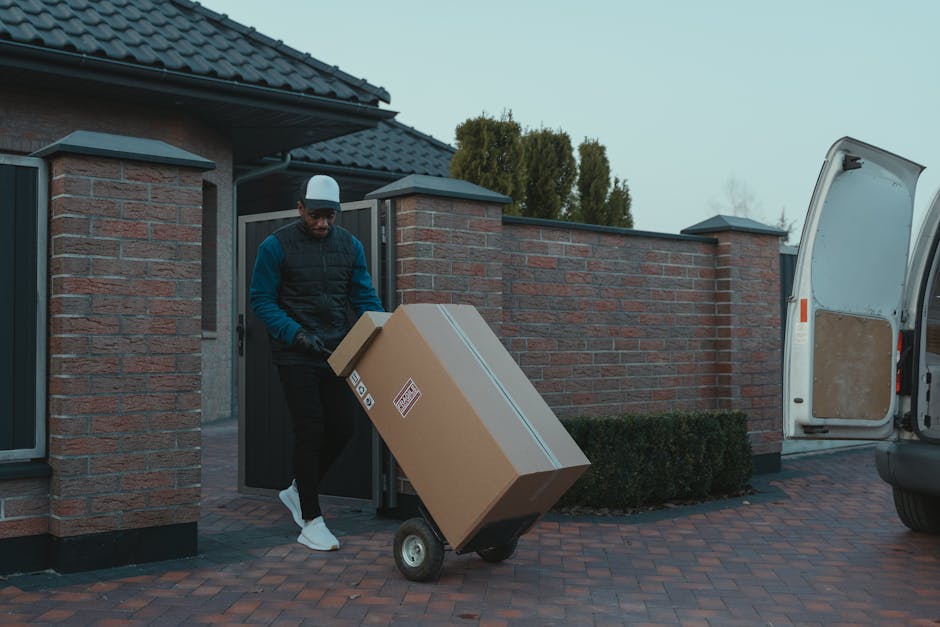
If you need a man with van in Custom House, our service is set up for practical moving work that benefits from careful handling, sensible vehicle space and straightforward loading. It suits furniture moves, flat shifts, single-item transport and smaller office relocations where a full removals operation is unnecessary. The focus is on moving the items you need taken, collected or delivered with a clear plan, tidy vehicle loading and attention to access at both ends.
We can support moves that involve a few bulky items or a fuller household load, with options that may include carrying, loading and unloading as part of the job. Where needed, the work can be shaped around stairs, narrow entrances, parking limits or shared access. Man and van services are often chosen for flexibility, and they are especially useful when you want transport and lifting help without arranging a larger removal package.
For a straightforward start, tell us what is being moved, where it is going and whether there are any access points that need care. Clear details help with planning the right vehicle size and the right amount of labour. If you are comparing options, a short written enquiry is usually enough to begin. When you are ready, request a quotation so the move can be reviewed against the items, route and timing you need.
House moves and domestic removals
Domestic moving work can range from one or two rooms to a complete house load, and the service needs to match the scale of the job rather than forcing everything into one approach. For some customers, that means moving only the main furniture and boxes that do not fit in a car. For others, it means a more organised relocation with dismantled items, protected surfaces and a route for loading that keeps the process orderly from start to finish.
Home moves are easier to manage when the move plan matches the property type and the items involved. A one-bedroom flat, a family home and a shared house all present different packing, carrying and access issues, so the service can be adjusted accordingly. If you are comparing alternatives, the goal is to choose support that is practical enough for the job without adding unnecessary complexity to the move.
In many cases, the key decisions are about what stays with the customer, what needs lifting help and what should travel together on the same run. Bedroom furniture, kitchen goods, fragile boxes and awkward items often require different handling even when they are going to the same destination. A well-organised move keeps the work efficient and helps reduce repeated loading, which can matter when parking space or time on site is limited.
What can be moved with a van service

The main strength of this type of service is its ability to handle a broad mix of practical items without the overhead of a larger fleet. Sofas, wardrobes, beds, white goods, dining sets, boxed belongings and business equipment may all fit into one coordinated move when they are packed and loaded sensibly. The exact approach depends on weight, size, access and whether the items can be carried safely by one or two people.
Furniture pick-up is useful when the move centres on one bulky item or a small collection of pieces, such as a table, armchair or cabinet. It can also suit marketplace collections, new purchases and second-hand finds that need moving home or to storage. The emphasis is on practical handling, secure placement in the vehicle and direct transport rather than unnecessary stops or overcomplicated arrangements.
For customers with mixed contents, it helps to separate items into those that are ready to load and those that need protection first. Soft furnishings, glass shelves and loose fittings may be wrapped or secured as part of the job, while sturdy boxes can often be stacked more directly. The aim is to protect both the item and the space it travels through, so loading remains calm and controlled rather than rushed.
Office removals and commercial transport
Small business and office moves often need a moving service that can work around desks, storage units, files and technology without creating disruption. That can include relocating a few workstations, moving stock between premises or taking surplus equipment to a new location. The most useful support is usually the one that combines transport with sensible handling, so the move can be completed efficiently while keeping items grouped in a way that makes unpacking simpler.
Office removals are not only about shifting furniture; they also involve making decisions about sequence, packing and access. Heavy items may need to be moved first, fragile devices protected separately, and boxed documents kept in order so they remain easy to identify after the move. Where a business cannot stop for long, a compact and well-planned service can reduce the amount of time spent on site.
Commercial transport may also suit deliveries between premises, equipment swaps and move-outs at the end of a lease. In these situations, the main value is reliable handling of the agreed load, together with vehicle space that is matched to the job. If a customer needs help beyond transport alone, the service can include loading and unloading so the move does not depend entirely on in-house labour or improvised lifting.
Packing support and careful preparation
Packing is often the difference between a move that feels manageable and one that becomes awkward halfway through loading. When the job includes more than a few objects, it helps to group similar items together, use boxes that can be carried safely and keep breakables separate from dense or heavy contents. A van-based move works best when the load is arranged in advance, because that allows the carrying and stacking order to be planned before the vehicle is opened.
Packing and unpacking services can be useful where time is limited or where certain items need extra care before transport. This may suit kitchen contents, ornaments, paperwork, books or mixed household pieces that are awkward to sort quickly on moving day. Support with packing can also make unloading more orderly, because boxes are labelled or grouped in a way that helps each room or area receive the right items first.
Two practical steps help most customers prepare: first, keep the items that must travel together in the same place; second, make a brief note of anything that needs special handling, such as glass, fragile fittings or unusually heavy pieces. It is also sensible to leave clear access to the main items before collection. Good preparation saves time because the move can begin with less sorting and fewer delays at the door.
Vehicle choice, loading and transport planning

The right vehicle makes a real difference to how smooth a move feels. A compact load may suit a smaller van, while a fuller domestic or business job may call for more usable space and a clearer loading plan. The best approach is not simply about volume; it is also about shape, weight distribution and the need to keep certain items upright or separated during transit. That is why sensible planning matters before anything is lifted.
Moving van options are often chosen when customers want a practical balance between capacity and manoeuvrability. This can be important in areas where parking is tight, access is shared or the collection point is not suited to a larger vehicle. A well-selected van can help keep the move efficient, especially when the load has been thought through in advance and the heaviest items are positioned to travel securely.
When the route, load and access points are reviewed together, it becomes easier to decide whether the job can be completed in one run or whether a second trip is more sensible. That judgement is especially useful for awkward shapes, heavy furniture or mixed loads where a single pile in the vehicle would not be safe or stable. Planning in this way protects the items, supports the crew and keeps the transport stage under control.
Prices, quotations and what affects the job
Moving costs usually depend on a small group of practical factors rather than one fixed figure. The load size, the number of items, whether lifting help is needed, how far the vehicle must travel and how straightforward the access is all play a part. A clear quotation process therefore works best when the customer gives an honest outline of the job, including any heavy objects, stairs, parking limits or collection windows that could affect the plan.
Pricing and quotes is the place to look if you want to understand how the service is put together before making a decision. It is sensible to compare the type of support on offer, the likely vehicle needs and whether the work includes loading, unloading or only transport. For some jobs, a simple man and van arrangement is sufficient; for others, a wider removal service may be more appropriate.
If you are preparing to ask for a price, a brief item list can be more useful than a long description. Note the larger pieces first, then add boxes, bags and any items that need careful handling. You do not need to overstate the task; accuracy gives a better starting point. Request a quotation once the essentials are clear, and the move can be reviewed on a proper basis.
Man and van removals for local and longer journeys
Some jobs stay within the local area, while others involve transport between towns, storage units or business sites. The advantage of a man and van removals service is that it can be scaled to the trip without turning every move into a large household relocation. That makes it a strong fit for customers who need adaptable support for partial loads, single-room moves, collections from sellers or items being taken to a new address in stages.
Man and van removals can be arranged for situations where the work includes a mixture of transport and manual handling. This may suit a student room, a flat move, a furniture delivery or a downsizing job where only selected pieces are going to the next property. The service is useful because it stays flexible enough to handle both lighter and heavier loads without complicating the booking unnecessarily.
Whether the move is near or far, the main aim is to keep the items secure and the process understandable. Customers often find it easiest to work through the largest objects first, then add the smaller belongings that can be stacked around them. That approach makes loading more efficient and helps ensure the van space is used well, especially when the load includes different shapes and fragile pieces.
About Custom House
Custom House is an area in the London Borough of Newham in east London, closely associated with the redevelopment of the Royal Docks and the wider Docklands landscape. Its name comes from the former custom house that once stood nearby, reflecting the district’s historic connection with trade, port activity and the movement of goods along the Thames. The area sits near Canning Town, Silvertown and the ExCeL complex, with strong transport links shaping how people move through it. Custom House station is an important local rail and DLR interchange, and the surrounding streets reflect a mix of older residential fabric and newer development. The wider Royal Docks story gives the area a distinct character, combining industrial memory with large-scale regeneration. Nearby landmarks include the Excel exhibition centre, the Thames Barrier Park area to the south-east across the docks, and the dockside routes that reveal how the riverfront has changed over time. As with much of Newham, the built environment is varied, with post-war housing, modern apartment schemes and commercial spaces sharing the same broad urban setting. The district also sits within reach of open waterside space and busy event venues, which adds to its movement and mixed-use feel. Custom House has therefore become a place where transport, housing, trade history and redevelopment sit side by side, giving it a clear identity within east London.
House removals and full relocation support

When a move becomes larger than a simple collection or delivery, a fuller removals approach may be the better option. House removals can involve multiple rooms, more delicate items, larger furniture and a need to work through the property in a sensible order. The practical advantage is that the move can be organised around the sequence of loading, rather than forcing everything into one rushed stage. That makes the day easier to manage and helps keep the load balanced in transit.
House removals are suitable where the customer wants a more complete moving service for a home relocation. This may include handling bedroom furniture, lounge items, kitchen contents and general household goods in a single plan. The work is best approached with a clear understanding of what is staying, what is travelling and what needs extra care, because those choices shape the time, space and lifting involved in the move.
Not every house move requires the same level of support, and that is why a service can be adjusted rather than treated as a fixed package. Some customers only need help with the heavier furniture, while others prefer a more complete move that includes the smaller boxed items as well. In both cases, the aim is to make the relocation feel orderly, with the transport arranged so it matches the property, the access and the amount of belongings involved.
Final arrangements, contact and useful service options
Before the move takes place, it helps to confirm the main points once more: what is being moved, where it is going, whether there are stairs or narrow accesses, and whether any items need special handling. If the load includes a mixture of furniture, boxes and fragile belongings, a short check of the list can prevent confusion on the day. This is also the right time to decide whether you need help only with transport or with loading and unloading as well.
Our broader service range can also support customers who are comparing different kinds of removals work. For example, commercial moves suit business relocations, removal services provide a general overview of what we can do, and removal companies explains the wider category if you are weighing up your options. Those pages can help you match the scale of the job to the type of support that makes most sense.
If you are ready to take the next step, contact us to talk through the move and ask for a quotation. If you are comparing details first, about us and insurance and safety give a useful sense of how the service is organised, while recycling and sustainability sets out our approach to responsible disposal where it applies. Ask for a quote today and keep the process simple from the start.