Prince Regent Lane moves: Narrow-street van tips
Posted on 28/04/2026
Prince Regent Lane moves: Narrow-street van tips for safer, smoother local removals
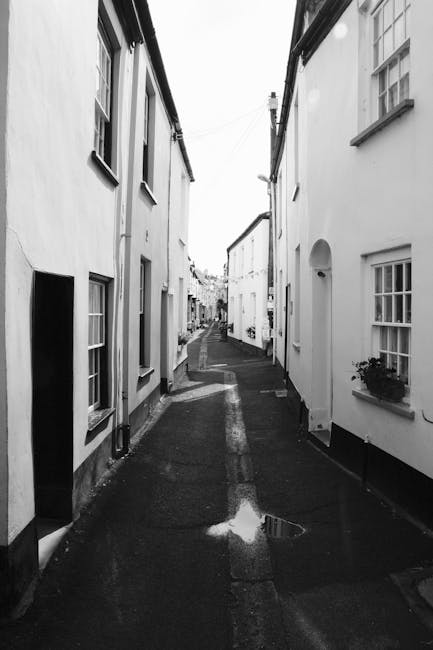
Moving in and around Prince Regent Lane can feel straightforward on paper, then suddenly awkward the moment you see the street layout. Tight corners, parked cars, passing traffic, and the usual London squeeze can turn a simple delivery into a careful bit of planning. That is where Prince Regent Lane moves: Narrow-street van tips really matter. If you are booking a van, arranging a flat move, or shifting bulky items through a restricted road, the difference between a calm job and a stressful one is usually preparation.
This guide focuses on the practical side of moving in a narrow street: how to size up access, choose the right vehicle, reduce loading time, protect your belongings, and avoid the small mistakes that cause big delays. If you want a move that feels less like guesswork and more like a proper plan, you are in the right place.
Why Prince Regent Lane moves: Narrow-street van tips Matters
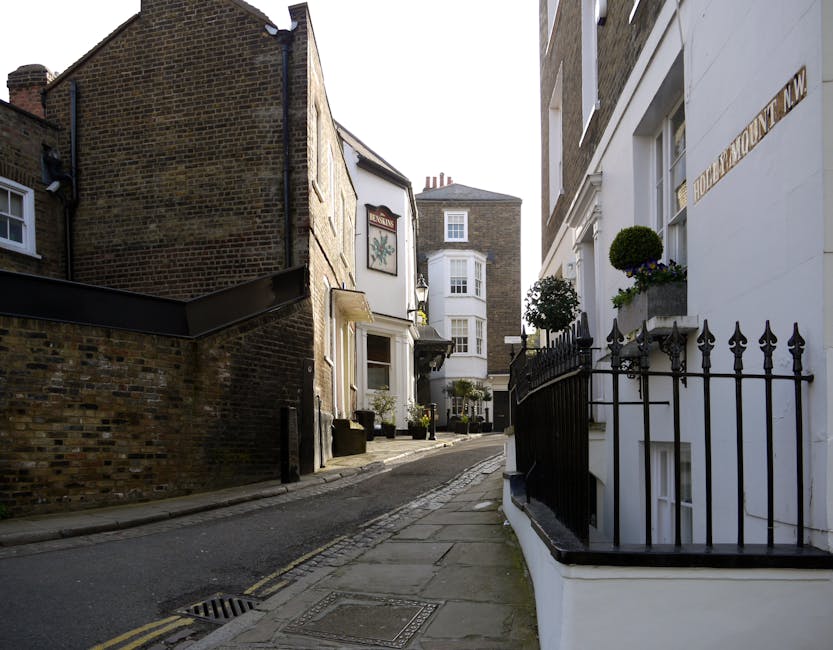
Prince Regent Lane sits in an area where road space can be limited and access can change quickly depending on the time of day. That sounds obvious, but it affects almost every part of a move. If a van cannot stop close enough, every box has to travel further. If the vehicle is too large, turning becomes fiddly. If neighbours are already parked tightly along the kerb, even a well-planned move can slow down.
For local moves, the street itself is often the hidden variable. A roomy driveway or wide cul-de-sac makes life easy. A narrow East London street with side parking, traffic flow, and limited turning room? That is a different story. To be fair, most moving problems in these settings are not dramatic disasters. They are small delays that stack up: a few extra minutes finding space, a few more trips by hand, a bit of repositioning, a chair that will not fit through the boot-side angle. Then suddenly the whole day runs long.
That is why good van planning matters just as much as lifting technique. If you are moving a flat, a student room, or furniture between addresses, local access planning can save time, reduce strain, and lower the risk of damage. It also helps you decide whether a man and van service in Custom House, a full house removals service, or a smaller vehicle is the better fit.
How Prince Regent Lane moves: Narrow-street van tips Works
Narrow-street moving is really about matching three things: the street, the vehicle, and the load. If those three line up, the move feels manageable. If they do not, you end up improvising at the kerb, which is never ideal.
The process usually works like this:
- Check access before moving day. Look at the street width, turning points, parked cars, and any loading restrictions. If possible, visit at the same time of day you plan to move. Morning traffic can feel very different from late afternoon.
- Choose a vehicle that fits the route, not just the items. A larger van may seem efficient, but if it cannot manoeuvre safely, a smaller removal van may actually be the smarter option.
- Prepare the load for quick handover. Boxes should be labelled, furniture should be dismantled where practical, and the most awkward items should be separated early. If you want help with the basics, the guide on packing right when changing homes is worth a read.
- Position the van for the shortest carrying distance. Even a few metres can make a noticeable difference when you are carrying mattresses, tables, or stacked boxes.
- Load in a stable sequence. Heavy pieces go first, lighter boxes fill the gaps, and fragile items stay protected. If you are moving a sofa, the advice in sofa protection and storage tips also helps with wrapping and handling.
What sounds simple in theory becomes much more manageable once you turn it into a routine. The goal is not perfection. It is predictability. And predictability, in a narrow street, is gold.
Key Benefits and Practical Advantages
Done properly, narrow-street van planning brings a few very real benefits that people often underestimate until moving day arrives.
- Less physical strain: shorter carrying distances mean fewer exhausting trips up and down steps, pavements, or tight hallways.
- Lower damage risk: controlled loading and careful access reduce knocks to furniture, walls, and door frames.
- Better time control: when the van fits the street and the plan fits the load, delays are easier to avoid.
- Less stress for neighbours and residents: a tidy, efficient move is simply less disruptive, which matters in residential streets.
- More flexibility for awkward items: large mirrors, beds, desks, and white goods are easier to manage when access is thought through early.
There is also a hidden benefit: confidence. A move feels different when you know the vehicle can park where it needs to, the route has been checked, and the load order is sensible. You stop second-guessing everything. That calm matters.
If your move involves more than a few items, it can help to combine these van tips with broader planning from stress-free house move advice and an organised approach to your belongings. A little structure goes a long way.
Who This Is For and When It Makes Sense
Not every move needs the same level of planning. But if you are dealing with a narrow road near Prince Regent Lane, the following situations are especially worth taking seriously:
- Flat moves where parking is limited and items must be carried through shared entrances or stairwells.
- Student moves with lots of boxes, bags, and a few awkward furniture pieces that somehow feel heavier than they look.
- Furniture-only moves where bulky items like wardrobes, beds, or tables need careful manoeuvring.
- Same-day or short-notice moves where you do not have the luxury of multiple site visits.
- Office or small business moves that need speed, tidiness, and minimal disruption.
If you are only moving a few light items and the street is quiet, a simple van booking may be enough. But if you are dealing with a fridge, piano, large sofa, or a full flat load, the job becomes more sensitive. In those cases, you may want to explore furniture removals, flat removals, or even specialist support such as piano removals.
Sometimes the real question is not "Can I move this?" but "Can I move this efficiently in this street?" Different thing entirely.
Step-by-Step Guidance
Here is a practical way to handle a move on or near a narrow street without making it harder than it needs to be.
1) Survey the street properly
Do a quick walk-by if you can. Look for parked cars, narrow bends, dropped kerbs, tight junctions, overhanging trees, and any place where a van might need to pause. Pay attention to how much room there is for doors to open. A van parked legally is not always a van parked well.
2) Match the van to the property access
A medium-sized van often works well for local moves because it balances capacity with manoeuvrability. Bigger is not automatically better. On some roads, a large removal vehicle simply creates more back-and-forth and a lot more frustration. If you are unsure, ask for advice before booking. A good operator will usually prefer the right vehicle over the flashiest one.
3) Prepare the load in the right order
Put the things you will need last near the front of the property so they can come out first if needed, but keep the van load itself organised by weight and shape. Heavy items like drawers, appliances, and tables should go in first. Softer items and lighter boxes can fill the remaining spaces. If you are shifting a bed base or mattress, this guide on moving beds and mattresses like a pro is genuinely useful.
4) Protect the route as well as the item
People often wrap the furniture and forget about the walls. In a tight hallway or a narrow front path, both matter. Use blankets, straps, and corner protection where needed. And if you are doing any awkward lifting, it is worth revisiting safe lifting technique guidance so you are not relying on guesswork.
5) Keep the handover zone clear
The space between the property and the van should stay as uncluttered as possible. Boxes waiting in the hallway should not block the exit. Shoes, bags, loose packaging, and trailing tape all become trip hazards at the worst possible moment. One small trip and the whole flow breaks. Annoying, but very avoidable.
6) Load and unload in a consistent pattern
Try to keep one person inside and one outside if the move is small. For bigger jobs, use a relay line if the street allows it, with someone passing items from door to van. That sounds a bit old-school, but honestly, it works. Especially when the pavement is narrow and turning with large furniture is awkward.
Expert Tips for Better Results
A few small decisions often make the biggest difference on narrow streets. These are the sort of details that experienced movers think about automatically, but they are easy to overlook if you only move occasionally.
- Move at the quietest practical time. Early morning may help, but always weigh that against building access, neighbours, and your own energy level.
- Use the shortest possible carrying route. It sounds basic, yet many people choose a "safe" parking spot that is actually much further away than necessary.
- Break down furniture where it saves time. A dismantled bed frame is usually easier than fighting a fully assembled one around a corner.
- Label boxes by room and priority. That way, once you arrive, you do not end up searching for kettle cables under a pile of books. Been there, sadly.
- Keep one small tool kit to hand. Allen keys, tape, scissors, gloves, and a torch can save a lot of faff.
- Protect your floor and the building entrance. A simple mat or blanket at the threshold can stop scratches and reduce mud transfer on wet days.
If you are moving valuables or specialist items, it also helps to think beyond the loading bay. For example, if a piano or freezer needs moving, the right handling method matters more than speed. You can find more on that in why piano moves are best handled professionally and how to store freezers when unused.
One more thing: do not assume the longest part of the move is the drive. In narrow-street jobs, loading and access usually eat up the clock first.
Common Mistakes to Avoid
Most moving headaches in tight streets come from a handful of familiar mistakes. Nothing exotic. Just the sort of things people say "should be fine" about right before they are not fine.
- Booking a van without checking street access. Capacity matters, but if the van cannot get in and out easily, capacity becomes a theoretical advantage.
- Leaving everything until the last minute. Last-minute packing and dismantling lead to rushed lifting and poor loading.
- Assuming there will be space out front. On busy roads, parking can disappear quickly. Have a backup plan.
- Underestimating awkward items. Mattresses, sofas, and tall bookcases often take more space and time than expected.
- Ignoring weather. Rain changes grip, visibility, and floor safety. A wet pavement can make the whole operation slower.
- Not securing items properly. A shifting load in a van can damage both the furniture and the mood. Nobody wants that sound from the back of the vehicle.
A good rule of thumb: if you think something will be "quick enough," give it a little more time than you think. Just a little. That buffer can save the day.
Tools, Resources and Recommendations
You do not need fancy equipment, but a few practical tools make narrow-street moves much easier.
| Item | Why it helps | Best use case |
|---|---|---|
| Furniture blankets | Reduce scratches and protect corners during carry and transit | Sofas, tables, wardrobes, appliances |
| Ratchet straps | Keep heavy items stable inside the van | Large furniture and mixed loads |
| Dolly or sack truck | Reduce strain and speed up short-distance transport | Boxes, white goods, heavy items |
| Strong tape and labels | Improves organisation and prevents re-packing confusion | Any domestic or office move |
| Protective gloves | Better grip and fewer knocks from rough surfaces | Cold, wet, or heavy-lift conditions |
On the planning side, a few links are worth keeping nearby. If you want help reducing volume before the move, read decluttering tips for an organised move. For the post-move cleanup, the cleaning checklist before moving out is a very sensible companion piece.
If you need packing supplies, strong boxes, and the basics to keep things tidy, look at packing and boxes support. A move usually goes better when the supplies arrive before the stress does.
Law, Compliance, Standards and Best Practice
For local removals, the biggest compliance issues are usually practical rather than dramatic. You are mostly dealing with parking common sense, safe loading, road use, property access, and basic duty of care. That said, there are still important standards to respect.
In London, you should always avoid blocking traffic, fire access, driveways, or entrances. If a vehicle needs to stop on a restricted road, check whether any local parking permissions, loading allowances, or permits are needed. Rules can vary depending on the street and the borough, so it is worth checking in advance rather than assuming. Nobody enjoys a move interrupted by an avoidable parking issue.
For moving practice, the basics are simple:
- Use properly maintained equipment.
- Load vehicles safely and securely.
- Lift with care and avoid unsafe solo handling where weight or shape makes it risky.
- Protect the property and communicate clearly with occupants or neighbours.
If your move involves heavy or awkward items, it is sensible to review insurance and safety information as well as the company's health and safety policy. A trustworthy removal service should be clear about its process, boundaries, and what happens if something unexpected crops up. That openness matters.
For general trust signals, it also helps to understand the business side of the move, including pricing and quotes and the broader services overview. Clear expectations make narrow-street work much smoother.
Options, Methods, and Comparison Table
If you are deciding how to handle a move near Prince Regent Lane, the right method depends on load size, access, and how much help you have. Here is a simple comparison.
| Method | Best for | Strengths | Trade-offs |
|---|---|---|---|
| Small van with manual loading | Few items, light furniture, short local hops | Flexible, easier to park, often quicker in tight streets | More trips by hand, less capacity |
| Standard man and van service | Flat moves, mixed loads, moderate furniture | Good balance of help, speed, and manoeuvrability | May need careful scheduling in busy periods |
| Full removals team | Larger homes or multiple bulky items | More hands, better for heavy or awkward pieces | Less nimble if the street is very tight |
| Self-move with hired van | Budget-focused moves with available helpers | Lower direct cost, flexible timing | More physical effort and more planning needed |
For many Prince Regent Lane moves, a smaller, well-planned service is the sweet spot. If you are not sure, a conversation with a local provider can help you judge whether removals services in Custom House or a smaller vehicle setup makes more sense.
Case Study or Real-World Example
Imagine a second-floor flat move on a narrow residential street off Prince Regent Lane. There are cars parked on both sides, the pavement is tight, and the building entrance is only a few steps from the kerb. Nothing dramatic, just awkward.
The first version of this move would be the "hope for the best" approach: arrive in a larger van, spend ten minutes trying to angle it into position, then start carrying boxes with no clear order. It works eventually, but everyone is tired before the sofa even appears.
The better version is quieter and smarter. The mover checks the street the day before, chooses a van that can turn safely, pre-labels boxes, and dismantles the bed frame beforehand. The loading route stays clear. The heavier pieces go first. A second person helps guide the furniture around the tight entrance. There is still effort, of course. Moving is moving. But the job finishes with less noise, fewer bumps, and far less breathless pacing on the pavement.
That is the real lesson: in a narrow street, success comes from removing friction before the first box leaves the room.
Practical Checklist
Use this checklist the day before and morning of your move.
- Confirm the van size and arrival time.
- Check the street for parking space, access issues, and turning room.
- Notify neighbours if loading may affect shared access.
- Pack fragile items securely and label them clearly.
- Dismantle beds, tables, and other large furniture where practical.
- Set aside a small essentials bag with keys, chargers, documents, water, and snacks.
- Protect floors, corners, and door frames at both properties.
- Keep tools, tape, and straps within reach.
- Make sure anything heavy is lifted with the right technique or enough help.
- Review the unloading plan so each item has a place to go on arrival.
If you want to go one step further, pairing this checklist with stress-free move planning can take a lot of pressure out of the day. And if there are too many items to keep in the flat, storage options in Custom House may be worth considering before moving day rather than after the panic starts.
Conclusion
Prince Regent Lane moves do not have to be difficult, but narrow streets reward people who plan with a bit of realism. The right van, the right timing, and the right packing approach can turn a stressful access problem into a controlled, ordinary job. That is what you want. Not glamour. Just smooth, steady progress.
If you remember only one thing, make it this: the street is part of the move. Measure it mentally, respect its limits, and plan around it. Do that, and even a tight London loading spot starts to feel manageable. A little less guesswork, a lot more calm.
Get a free quote today and see how much you can save.